
A settled status gives you indefinite permission to remain in the UK.
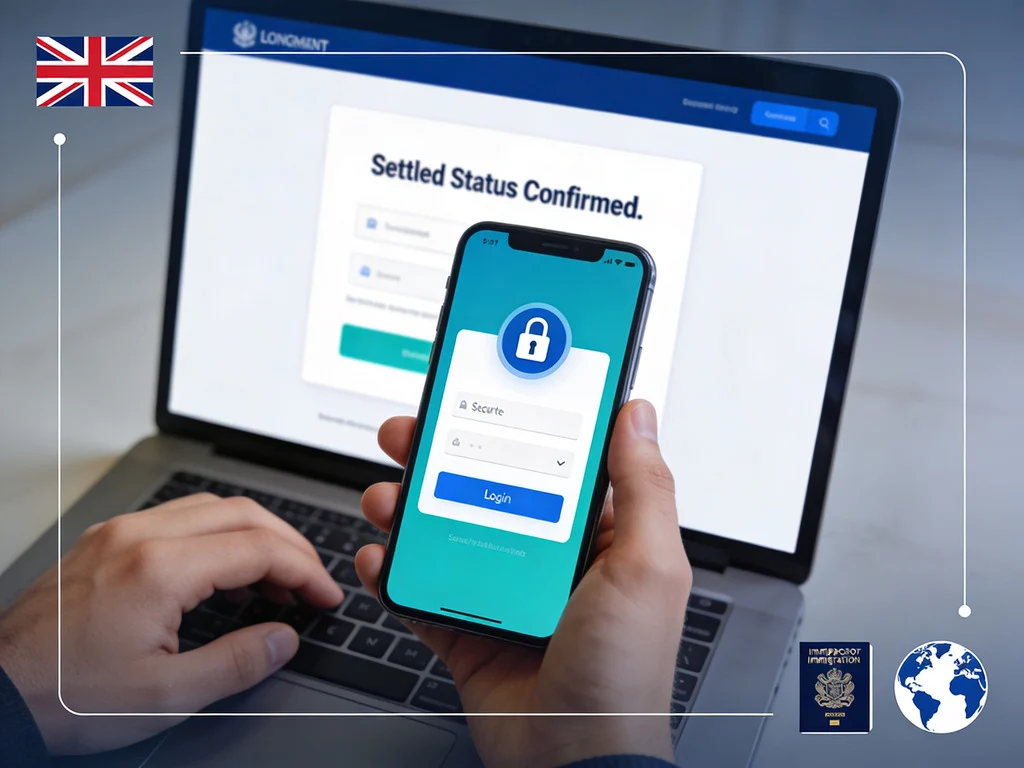
However, the methods to prove such a status are changing as the UK replaces physical residence permits with digital immigration records. To get proof of settled status, you must now generate an alphanumeric share code online.
This post explores the eVisa process and ways to prove your settled status.
What is proof of settled status?
A proof of settled status is an official confirmation by the UK government that you have the legal right to live, work, or study in the UK without time limits.
Settled and pre-settled status were granted under the EU settlement scheme, which allowed indefinite residence in the country. Currently, you typically won’t get a physical residence card as an EUSS holder. The proof of settled status is issued as an eVisa linked to your UKVI account.
The proof is valuable as you’ll need it for major milestones in the UK, including renting a home.
Situations where proof of settled status is required
You’ll be required to prove your settled status in the following scenarios:
You may also be required to prove your status overseas. In most cases, your status is verified digitally through the UKVI system.
However, some overseas authorities may request a notarised and legalised copy of your UK immigration status to support a visa application, banking and legal matters, or family immigration procedures.
In that case, you’ll use a notary to prepare a notarised paper version of your proof of settled status and send the notarised copy to the FCDO Legalisation Office for an apostille certificate.
Our firm is an FCDO-registered apostille facilitator, and we can help you navigate this process as follows:
Ready to prepare your proof of settled status for use outside the UK?
Request a no-obligation quote, and we’ll guide you through the correct document legalisation route.
Step-by-step instructions on how to get proof of settled status
The government has streamlined the process for getting proof of settled status. Here’s how to navigate the free and fully online process step by step.
Step 1: Prepare your login details and identity document
You want to have your documents and login details ready before beginning the process.
You’ll need the identity document you used in the original EUSS application. This can be your passport, national ID, or British Residence Permit (BRP). You’ll also need access to the email or phone number to get the security code.
If you renewed your passport or changed your phone number/email address, you should update your details first.
Step 2: Log in to the UKVI view-and-prove service
Navigate to the official view-and-prove service on the gov.uk website. It is important not to use third-party sites to protect your personal data.
Once logged in, you’ll see your status type (settled or pre-settled), the date it was granted, and a button to generate the share code.
Step 3: Choose the right share code purpose
The eVisa system issues 3 different types of share codes. Each is tailored to the specific institution requesting you to prove your status.
The 3 options include:
Step 4: Generate your 9-character share code
After selecting the right purpose for the share code, you can proceed to generate one.
The system will generate a unique 9-character share code, which will be valid for 90 days from generation.
Step 5: Share the code with the third party
Third parties will require the share code as your proof of settled status. They usually also need a date of birth alongside the code.
You can share the code via email, in person, or by filling out a form. When the third party enters the code on the checking service, they only see what’s relevant to them (e.g., right to work outcome) and not your immigration history.
What documents can be used as proof of settled status?
Depending on the scenario and the requesting authority, the following documents can support your proof of settled status.
1. The UKVI share code as primary proof
The share code you generate on the UKVI view-and-prove service is typically your primary proof of settled status.
It is the only proof that the Home Office systems back directly, as any requesting third-party in the UK can directly check its validity on the relevant checking/matching service.
2. Proof of residence documents
When processing long-term residence claims, applying for benefits, or looking to upgrade your pre-settled status, you can use the following proof of address documents to “strengthen” the share code:
3. HMRC Residence letters and tax evidence
When navigating tax or international financial transactions that require you to prove residency, you can use the HMRC letter of confirmation of residence.
The letter confirms your UK residency for tax purposes. As a general rule, you become a UK tax resident if you spend 183 days or more in the country in a tax year.
4. Apostilled documents for overseas use
Your use of the share code as proof of settled status may be limited internationally, as many overseas institutions cannot verify it directly on the UKVI website.
As such, you’ll need a printed and notarised document. The document must also be legalised for international use, which requires getting an FCDO-issued apostille certificate.
At London Apostille Services Ltd., we can help you legalise your proof of status and other UK documents you intend to use abroad.
Our service includes:
Request a custom quotation by telling us which documents you have and where they’re going.
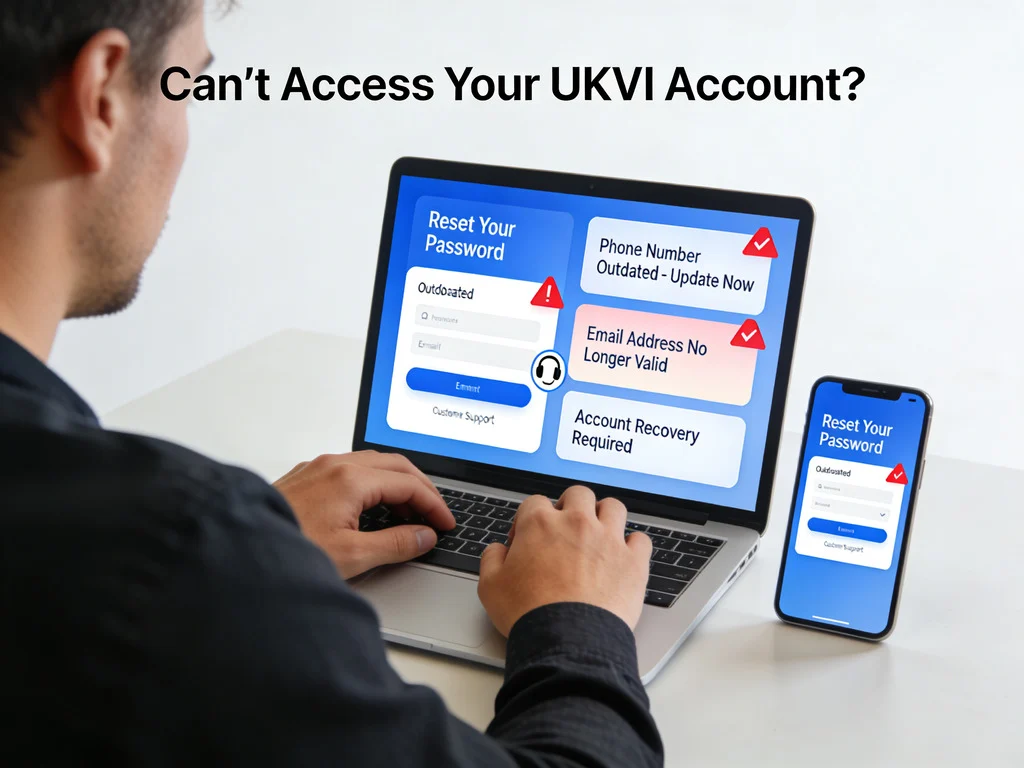
Common problems when accessing proof of settled status
Even though the UKVI system streamlines the process for accessing your proof of settled status, you may encounter some problems due to data discrepancies or border issues.
Here are the common challenges:
Frequently asked questions (FAQs)
Below are quick answers to the most common questions people ask about proving settled status in the UK.