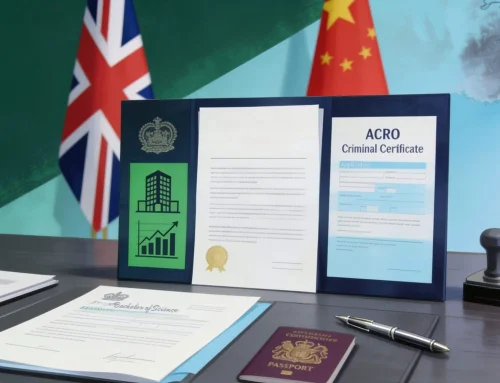

Spain has just opened one of the most significant immigration regularisation windows in nearly two decades. If you or someone you know has been living in Spain without legal status, the next few months could be a turning point.
On 14 April 2026, the Spanish Government approved Real Decreto 316/2026, which formally launched the proceso extraordinario de regularización.
Applications opened on 16 April 2026, and the window closes on 30 June 2026. The Spanish Ministry of Inclusion, Social Security and Migration estimates that up to 500,000 people could benefit, though some analyses put the figure closer to one million.
What is Spain’s extraordinary regularisation process?
Spain’s extraordinary regularisation process is a government scheme that grants temporary legal status to undocumented migrants who are already living in Spain.
The process was introduced via RD 316/2026, which amends the existing immigration regulation (Reglamento de Extranjería) approved under Real Decreto 1155/2024.
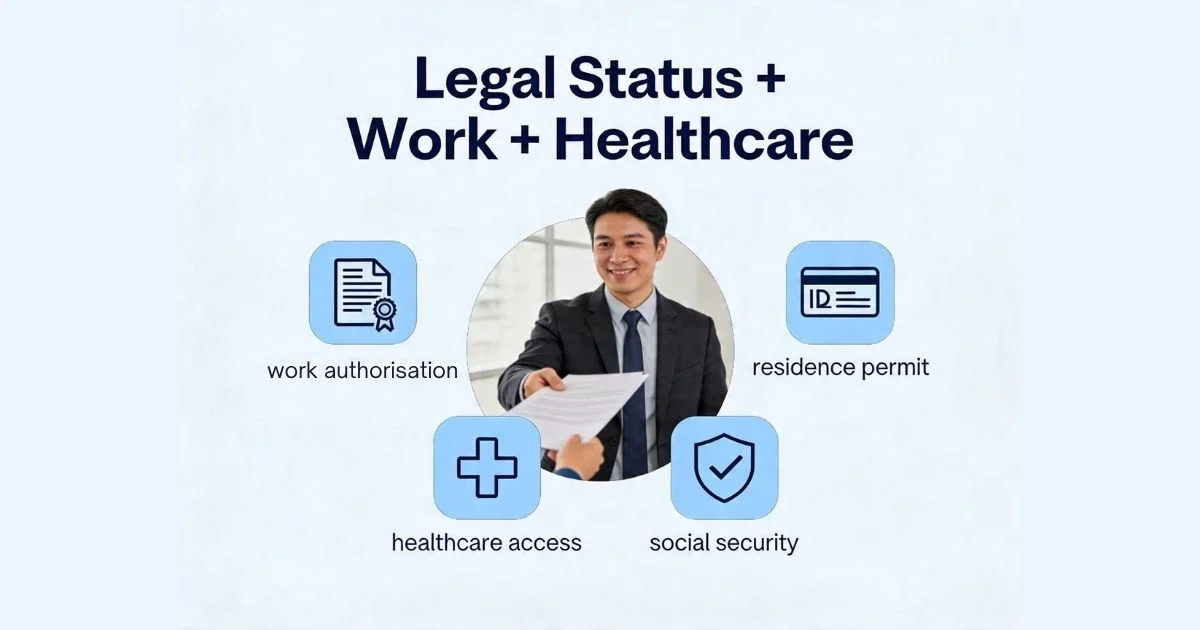
Successful applicants receive a one-year residence and work authorisation (five years for minors), access to Social Security, and access to public healthcare.
This is the first large-scale regularisation Spain has run since 2005, when around 577,000 people were regularised under Prime Minister Zapatero.
The scheme is overseen by the Secretaría de Estado de Migraciones, part of the Ministry of Inclusion, Social Security and Migration.
Spain’s Government has been clear about the rationale.
The country estimates it needs between 250,000 and 300,000 foreign workers per year to sustain its welfare system. Official figures from research group Funcas place the number of irregular migrants in Spain at around 840,000 as of January 2025.
Key amendments to the immigration regulation
The 2026 regularisation builds on changes already made to Spain’s immigration rules in 2024 and 2025.
Here’s what you need to know.
1. Real Decreto 1155/2024
In November 2024, the Spanish Government approved a new immigration regulation that replaced the previous framework in place since 2011. The new regulation came into force on 20 May 2025.
Key changes included:
The regulation also restructured the arraigo (integration) system, which is the main legal route for undocumented migrants to regularise their status in Spain.
There are now five distinct arraigo pathways, each with its own requirements.
2. Real Decreto 316/2026
When the parliamentary initiative known as “Regularización Ya” stalled in Congress, the Government used executive powers to create the extraordinary regularisation through RD 316/2026.
It adds two new provisions to the existing regulation and creates a fixed, time-limited application window, with a deadline of 30 June 2026 for submitting applications.
The decree also extends the process to asylum seekers whose claims or appeals were submitted before 1 January 2026 and remain unresolved.
If their application is approved, they are required to formally withdraw their pending asylum claim or appeal as a condition of obtaining the residence authorisation.
Eligibility requirements for regularisation
The eligibility criteria are specific. Meeting all of them is essential before applying.
To qualify, you must:
You must also meet at least one of the following supplementary criteria:
Asylum seekers are assessed separately. If you filed an asylum application before 1 January 2026, you may qualify regardless of the supplementary criteria above.
It’s worth noting that stateless persons are excluded from this process, which has drawn criticism from advocacy groups, particularly those representing the Sahrawi community.
Documents likely required for the Spain regularisation
Every foreign public document submitted as part of this process must meet Spain’s legal requirements.
That means foreign documents must be either apostilled (if your country is a signatory to the 1961 Hague Convention) or legalised through diplomatic channels, and then sworn translated into Spanish by a translator officially appointed by Spain’s Ministry of Foreign Affairs.
The apostille must be obtained first, and the translation should follow. Reversing this order is a common mistake that typically requires applicants to restart the translation process.
The documents you are likely to need include:
Under RD 316/2026, Spanish authorities check your Spanish criminal record themselves, so you do not need to obtain that separately.
If your country of origin refuses or simply fails to issue a criminal record, you document the request and, after one month without a response, the Spanish authorities can pursue it through diplomatic channels.
A note for UK-based applicants
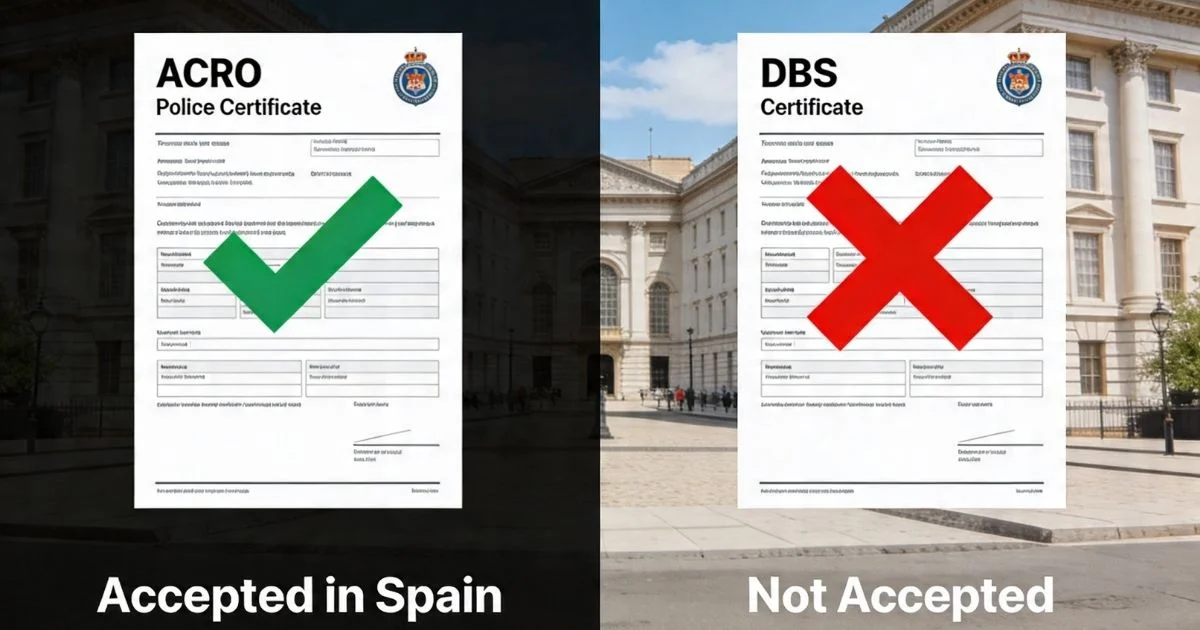
Spain accepts only the ACRO Police Certificate as proof of UK criminal record. Standard DBS checks are not accepted.
The UK is a signatory to the Hague Apostille Convention, so your ACRO certificate must be apostilled by the FCDO Legalisation Office before submission.
ACRO certificates cannot be e-apostilled. ACRO sends the hard-copy certificate directly to the FCDO, so you should plan this step early to avoid delays.
UK-issued birth certificates, marriage certificates, and other public documents follow the same apostille route through the FCDO.
Timeline and next steps for applicants
The key dates are:
| Milestone | Date |
|---|---|
| RD 316/2026 approved | 14 April 2026 |
| Published in the BOE (Official State Gazette) | 15 April 2026 |
| Online applications open | 16 April 2026 |
| In-person applications open | 20 April 2026 |
| Application window closes | 30 June 2026 |
Once your application is submitted, the authorities have three months to reach a decision. If your application is admitted within the first 15 days, you receive provisional residence status and the right to work while your case is being processed.
The Spanish Government has set up around 550 additional staff members and 450 processing points across the country to handle demand.
Correos offices in every provincial capital and in municipalities over 50,000 inhabitants are accepting applications Monday to Friday between 08:30 and 17:30.
If your application succeeds, you receive a one-year authorisation (or five years for minors). After the first year, you can convert it into a standard arraigo permit and continue building your residency in Spain.
If you have a pending arraigo application filed between 20 May 2025 and 16 April 2026, it will be assessed under the simplified criteria of the new regulation. You do not need to withdraw and refile.
The most common reasons applications are sent back within the 15-day review period are expired apostilles, missing sworn translations, illegible scans, and name mismatches between documents.
How we can help
If you are applying for Spain’s extraordinary regularisation and you have UK-issued documents, we can help you get them correctly prepared.
At London Apostille Services Ltd., we handle the FCDO apostille process for all public UK documents, including ACRO Police Certificates, birth certificates, marriage certificates, and more.
We work with a network of FCDO-registered solicitors and notaries, and our standard service runs at a 3 to 4 business day turnaround.
Given the 30 June 2026 deadline, there is limited time to get everything in order. Apostilles and sworn translations can take longer than expected, especially if you are waiting on documents from multiple countries.
If you are unsure whether your documents need an apostille or what the process involves, we offer a complementary document review before you place an order.