

Full refund if the FCDO rejects · FCDO-registered apostille agent · Next-day available
Why your DBS check must be certified before it can be apostilled
A DBS certificate is issued without a signature from the Disclosure and Barring Service. That matters because an apostille works by verifying a recognised signature or stamp — and with nothing on the document for the FCDO to authenticate, a DBS check can’t be apostilled on its own.
This is what sets it apart from documents such as a birth certificate or an ACRO police certificate, which already bear a verifiable official signature.
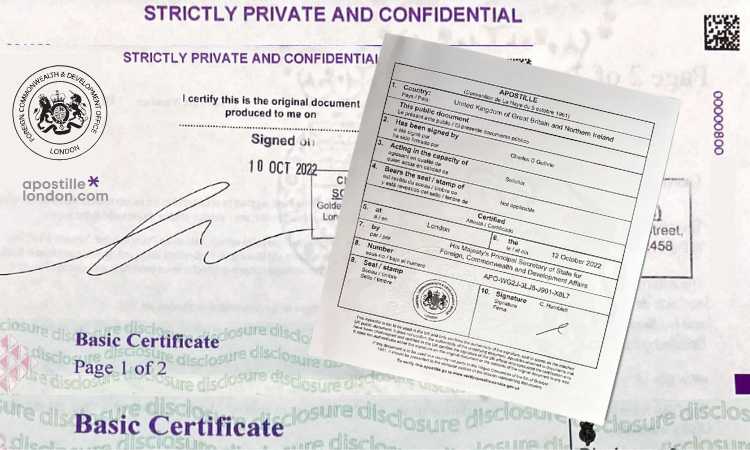
A DBS doesn’t, so it must first be certified by a UK solicitor registered with the FCDO. The FCDO then authenticates that solicitor’s signature and attaches the apostille.
Every DBS we handle is certified by an FCDO-registered solicitor, so this failure can’t happen on our watch. If it ever did, your refund guarantee covers you.
Reassured your DBS will be done right?
Your document is safe with us — and so is your money
Posting your only DBS certificate? Here’s how we look after it.
We know it’s an original you can’t easily replace. Every document is tracked both ways: you get an email the moment it arrives with us; we check that it meets FCDO requirements before anything is submitted; and we return it by tracked courier, with a scanned copy emailed to you. It’s never out of sight without a tracking number against it.
That’s the whole process.
Will an apostille be enough for your destination country?
For most countries, yes. If the country where you’ll use your DBS is part of the Hague Apostille Convention, the FCDO apostille is all you need — that covers the majority of destinations.
A handful of countries aren’t members — the UAE, Qatar, Egypt and Kuwait among them — and these require an extra step: embassy attestation after the apostille. If that’s your destination, you’re still in the right place.
We handle the full process, apostille and attestation, so it’s one order and one team from start to finish.