
A power of attorney (POA) is a legal document that allows you (the donor) to name someone you trust (the attorney) to act or make decisions on your behalf.
Such a delegation of power can give the attorney significant control over your personal and financial affairs. Therefore, the law requires strict safeguards to protect against abuse and undue influence, including strict witnessing rules.
This post explores UK rules on who can witness a power of attorney (POA) and the key differences between an ordinary POA and a Lasting POA (LPA).
At a glance – Witness eligibility for powers of attorney
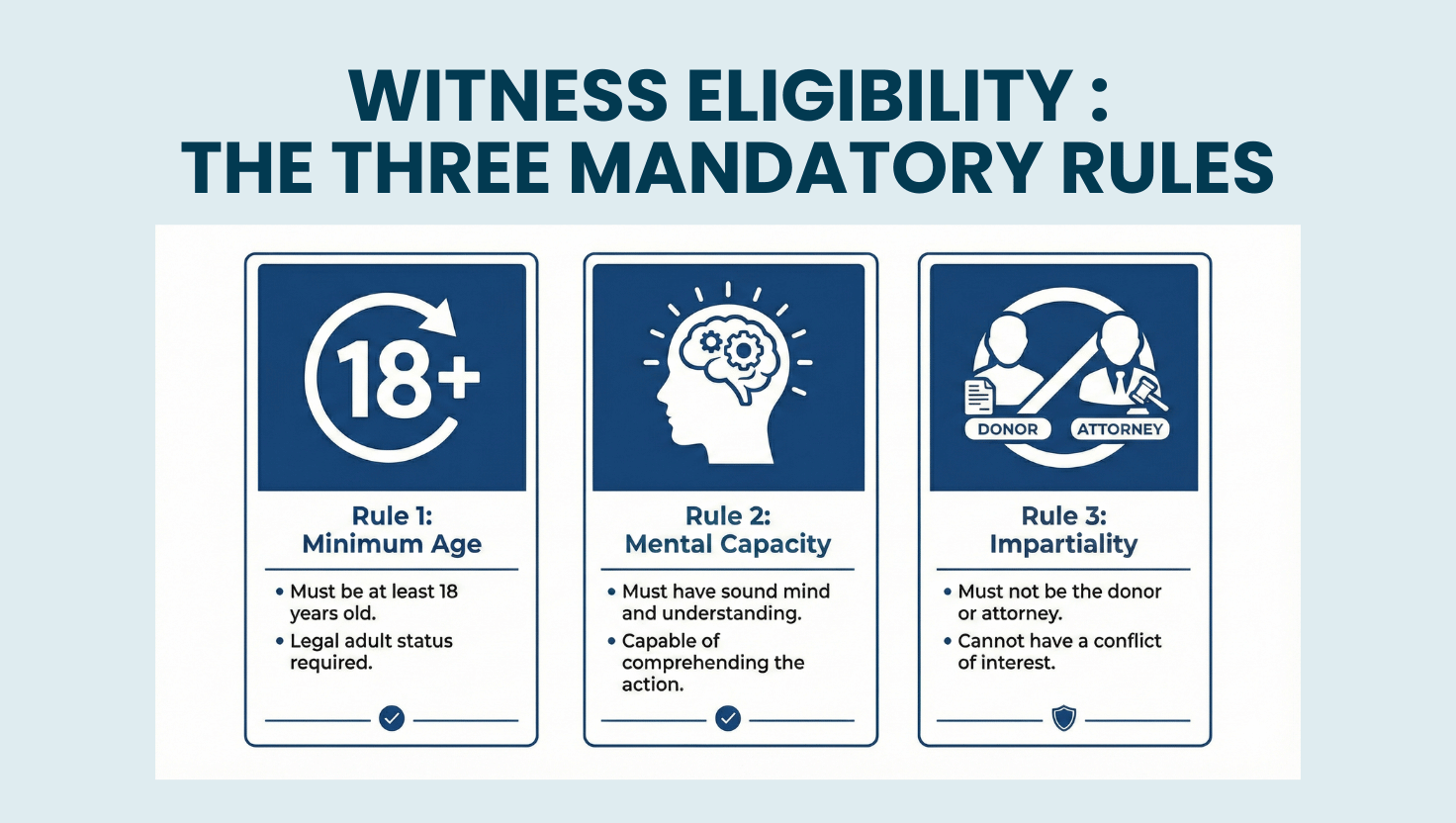
Here are the non-negotiable witness eligibility requirements for most UK powers of attorney.
| Requirement | Eligibility |
|---|---|
| Age | 18 years or older |
| Capacity | Must have the mental capacity to understand the document and the circumstances surrounding its signing |
| LPA exclusion | The donor and the attorney cannot witness each other’s signatures |
What does it mean to witness a power of attorney?
The act of witnessing a power of attorney reinforces the integrity of the process. When one witnesses a PoA, they append their signature to the document to confirm that:
In attesting to the above facts, the witness’s signature is an essential safeguard and helps make the document legally enforceable.

Understanding ordinary vs. LPA POA types
While a donor can use an ordinary PoA (OPA) or an LPA to appoint an attorney to act on their behalf, the witnessing rules differ because the two have different functions and legislation governing them. Here are the key differences:
Who can witness a general power of attorney?
Any person 18 years or older with mental capacity can witness a general power of attorney.
However, the law specifically excludes the attorney named in the document from witnessing the donor’s signature. The exclusion guards against undue influence from any party that may benefit from the donated powers.
Who can witness a lasting power of attorney?
An LPA has stricter witnessing rules because the document remains legally effective even after the donor loses mental capacity.
For one to witness the donor’s signature in an LPA, they must:
A family member, spouse, or civil partner can witness the donor’s signature, provided they are not named in the document.
For one to witness the attorney’s signature in an LPA, they must:
Attorneys are allowed to witness each other’s signatures.
The need to establish mental capacity is evident from the foregoing. Therefore, the law mandates the role of a ‘certificate provider’, whose responsibility is to confirm the donor’s mental capacity and understanding, guard against fraud and undue influence, and ensure no other reason for concern.
The certificate provider is not a witness; they sign a different section of the form. Notably, the certificate provider cannot witness the attorney’s signature.
Who cannot be a certificate provider for an LPA?
Given the vital role the certificate provider plays in ascertaining the mental capacity of the donor and protecting against undue influence, the law disqualifies the following from acting as a certificate provider for an LPA:
When choosing a certificate provider, you can take either the knowledge-based or skills-based (professional) route.
LPA vs. general POA witnessing rule key differences
Let’s expand on the key differences between a general POA and an LPA regarding witnesses, certificate providers, and governing legislation.
| General Power of Attorney | Lasting Power of Attorney | |
|---|---|---|
| Governing law | Powers of Attorney Act 1971. | Mental Capacity Act 2005. |
| Certificate provider | No requirement. | Mandated (not a witness). |
| Exclusions | Narrow (the attorney cannot witness the donor’s signature). | Broad (the attorney, the donor, and the certificate provider are excluded from specific witnessing roles). |
| Signatures to witness | The donor’s signature must be witnessed. | The donor’s, the attorney’s, and the replacement attorney’s (if named) signatures must all be witnessed. |
| Signing order | Only the donor must sign the deed first, which must be witnessed. | Has a strict signing order: donor > certificate provider > attorney. |
Special rules when your POA is for use overseas
Properly created as per UK laws, a POA is a valid and legally enforceable document. However, there are two special rules you must abide by when you want to use it overseas.
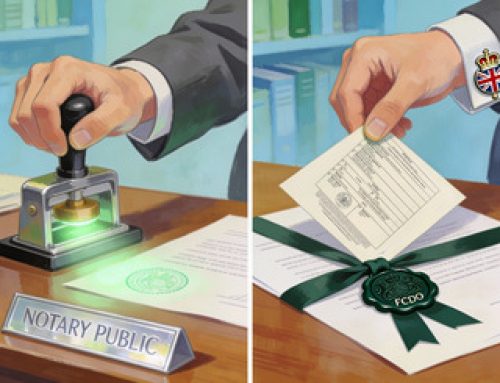
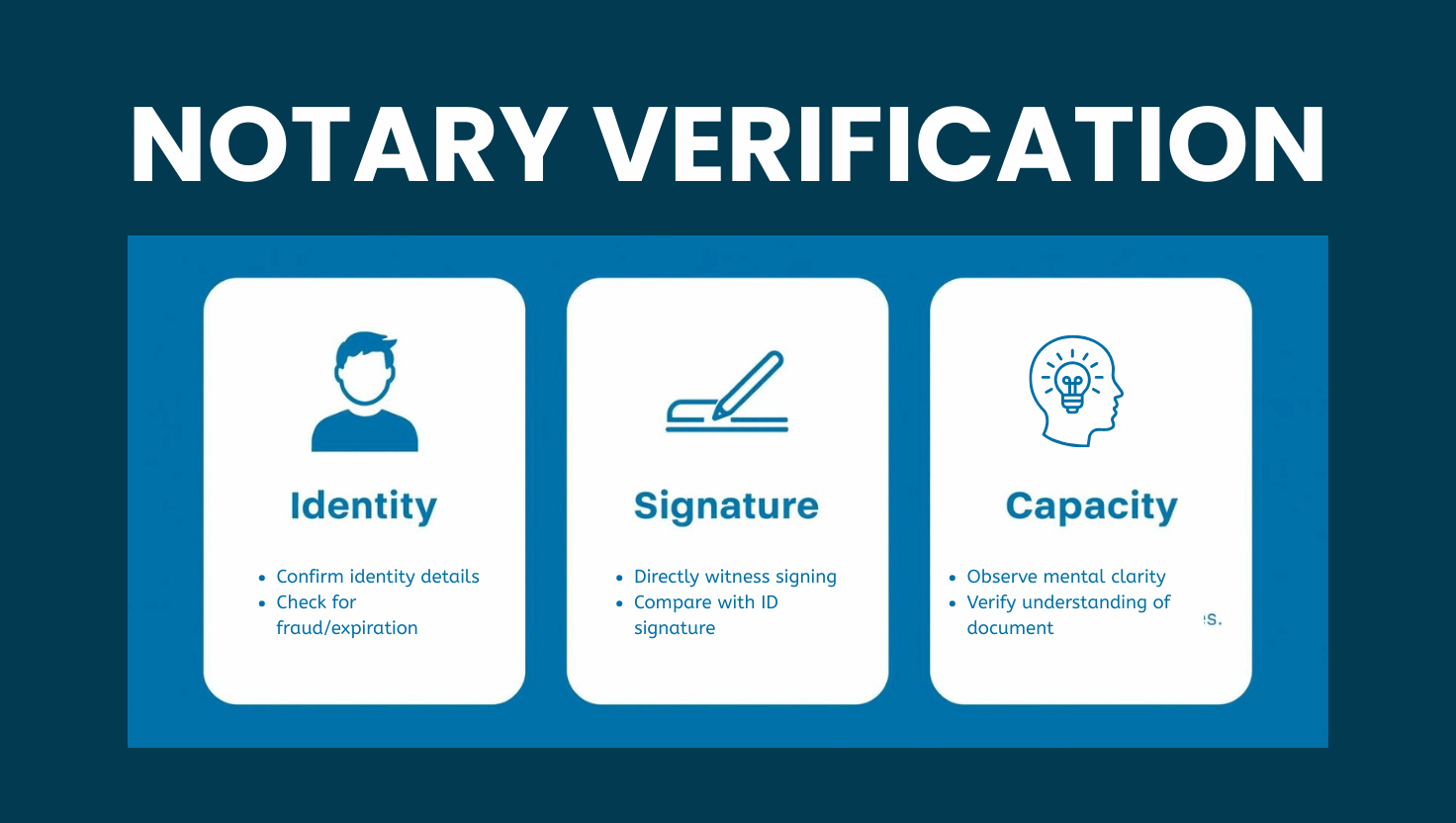
First, the document must be signed or verified by a notary public. A notary public is an internationally recognised legal professional who verifies the authenticity of documents. In validating your POA, the notary public attests that the following are genuine:
Second, you must get the document legalised for international use.
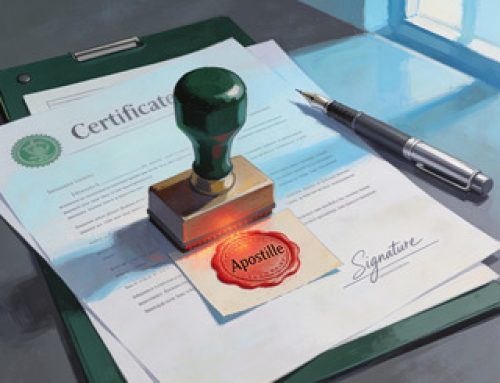
To streamline such legalisations, many countries adopted the Hague Apostille Convention, which requires member countries to appoint a competent authority to issue apostilles (the certificate that legalises your document for international use).
The competent authority in the UK is the Foreign, Commonwealth and Development Office (FCDO).
You can submit your POA to the FCDO to get it apostilled, but there are two points to bear in mind:
We are London Apostille Services Ltd, a duly registered apostille facilitator with 15+ years of experience. We can help you take the complexity out of the apostille process and complete it quickly with our next-day apostille service.
Moreover, we have reliable notaries in our network. You won’t have to coordinate several professionals to get your PoA notarised and apostilled.
Contact us today to get your power of attorney ready for international use.
Frequently asked questions (FAQs)
Let’s now answer some of the common questions we get about who can witness a power of attorney.